Small pets are marketed as easy, low-maintenance “starter” animals, perfect for a child or a small flat. The truth is that rabbits, guinea pigs, and hamsters each have specific, often demanding needs, and most of the welfare problems they suffer come from owners who believed the easy-pet myth. They are not disposable or simple; they are intelligent animals with particular requirements for space, diet, and company. This guide covers what each of these popular small pets actually needs to thrive indoors, so you go in informed rather than discovering the real commitment after you have brought one home.
The honest principle is that small does not mean simple. Each species is different, and getting the basics, housing, diet, and social needs, right is what separates a thriving small pet from a struggling one.
Rabbits: not low-maintenance at all
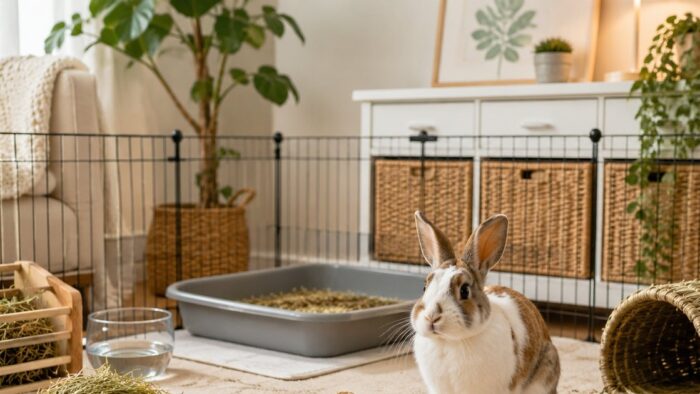
Rabbits are intelligent, social, long-lived animals that need far more than a hutch. Kept properly, often indoors as house pets, they are wonderful companions; kept in a small cage alone, they suffer.
- They need a lot of space to move, hop, and stretch up, far more than a typical small cage offers.
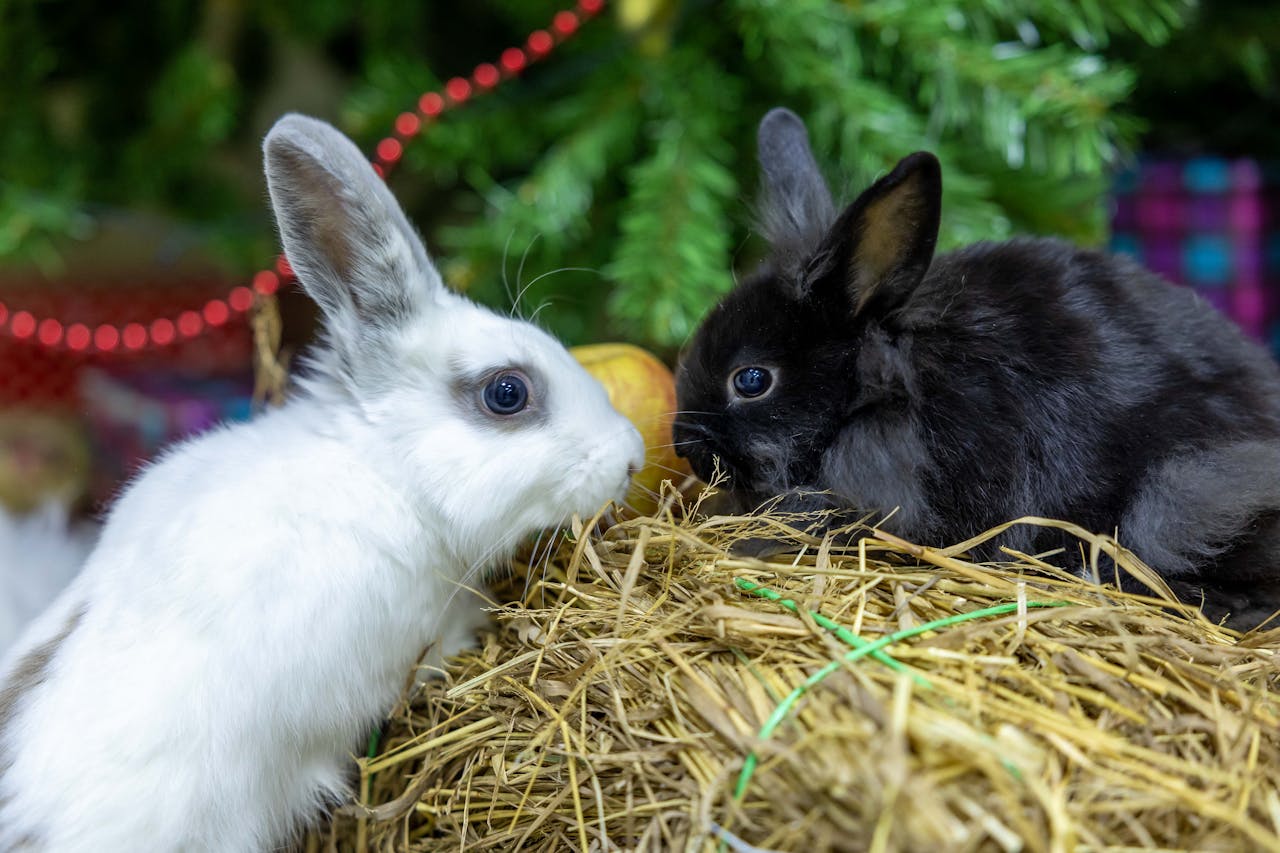
- They are highly social and usually happier with a compatible companion than alone.
- Their diet is mostly hay, which is essential for their teeth and digestion, plus some greens.
- They can be litter-trained and live indoors, but the home must be rabbit-proofed against chewing.
Because rabbits do so well as indoor companions, we cover them in depth in our guide to keeping a house rabbit.
Guinea pigs: social and vocal
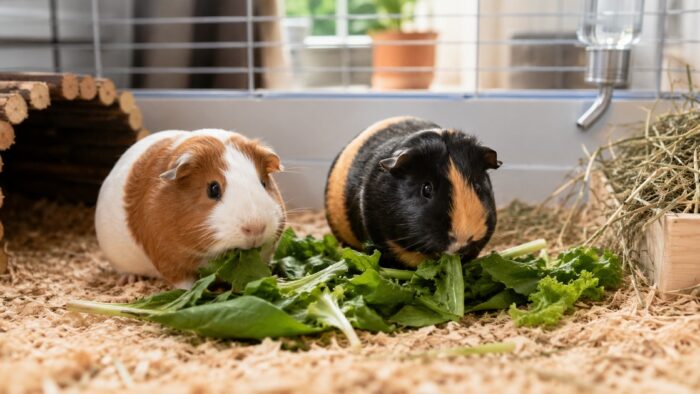
Guinea pigs are gentle, social herd animals that should almost never be kept alone, since isolation causes real distress. They need a surprisingly large enclosure, far bigger than pet shops suggest, and a diet of hay and fresh greens. Crucially, they cannot produce their own vitamin C and need it from their diet, a detail many new owners miss. They are vocal and interactive, which makes them rewarding, but they are a genuine daily commitment.
Hamsters: solitary and nocturnal
Hamsters differ from the others in two key ways: they are solitary and must be housed alone, and they are nocturnal, most active when you are asleep. They need a much larger enclosure than the tiny cages commonly sold, with deep bedding for burrowing and a solid wheel for exercise. Setting up their habitat correctly is the single biggest factor in their welfare, which is why we cover it fully in our guide to setting up a hamster habitat.
Universal small-pet needs
- An enclosure far larger than pet shops typically recommend; cramped housing is the commonest welfare failure.
- A correct, species-specific diet, getting this wrong causes serious health problems.
- Appropriate company, social species need companions, solitary ones must be alone.
- Gentle, regular handling to build trust, suited to each species’ temperament.
- A vet experienced with small or exotic pets, since not all clinics treat them well.
Health and when to seek help
Small pets hide illness well, an instinct from being prey animals, so subtle changes matter. Reduced eating, lethargy, changes in droppings, or laboured breathing warrant prompt attention, because small animals can decline quickly. Knowing the general signs a pet may be unwell applies to them too, and because they deteriorate fast, err on the side of seeing a vet experienced with small pets sooner rather than later.
Common mistakes
- Believing the “easy starter pet” myth and underestimating the real commitment.
- Housing social species like guinea pigs and rabbits alone.
- Using the tiny cages sold in shops, which are far too small for any of these animals.
- Feeding the wrong diet, such as too little hay for rabbits or no vitamin C for guinea pigs.
- Delaying veterinary care because small pets hide illness until they are seriously unwell.
Editor’s note
The kindest thing you can do before getting a small pet is to ignore almost everything the easy-pet marketing tells you. These are not simple animals, and the cages and care guides sold alongside them are frequently inadequate. Research the real needs of the specific species, space, diet, and whether it should live alone or in company, before you commit, and budget for a vet who actually treats small animals. Do that and rabbits, guinea pigs, and hamsters are rewarding, characterful companions. Skip it, and you inherit the welfare problems the myth quietly creates.
For species-specific detail, see our guides to guinea pig care, safe foods for small pets, and enrichment for small pets.
Frequently asked questions
Are small pets really good for children?
They can be, but with adult supervision and realistic expectations, not as low-maintenance “starter” pets. Each species has specific needs and most do not enjoy excessive handling. An adult should oversee care and welfare, since children alone rarely meet the demands of housing, diet, and gentle handling these animals require.
Can guinea pigs and rabbits live together?
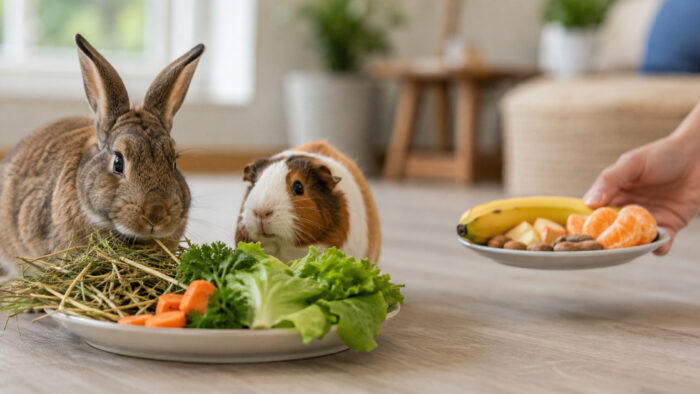
It is generally not recommended. They have different dietary and social needs and can injure each other, and rabbits can carry bacteria harmful to guinea pigs. Each is better housed with a compatible companion of its own species, guinea pigs with guinea pigs, rabbits with rabbits.
Why does my hamster sleep all day?
Because hamsters are nocturnal, naturally active in the evening and night and asleep through the day. This is normal and healthy, not a sign of illness. Avoid waking a sleeping hamster, and plan handling and play for the evening when it is naturally alert and receptive.
How big should a small pet’s enclosure be?
Considerably bigger than most pet shops suggest, since cramped housing is the most common welfare problem for small pets. As a rule, provide far more space than the minimum on the packaging: room to move, exercise, and express natural behaviours like hopping, foraging, or burrowing. When in doubt, bigger is always better, and pair it with out-of-enclosure time where the species allows.
Do small pets need to come out of their enclosure?
Many do benefit from supervised time outside the enclosure in a safe, proofed area, especially rabbits and guinea pigs, which need room to move and explore. Hamsters can use a secure playpen for short periods. Always supervise this time, ensure the space is escape-proof and free of hazards, and let timid animals set their own pace rather than forcing interaction.
What should I feed my small pet?
It is highly species-specific, which is why getting it wrong is so common and so harmful. Rabbits and guinea pigs need a diet based largely on hay, with guinea pigs also requiring vitamin C from their food, while hamsters eat a suitable seed-and-pellet mix with small fresh additions. Research the exact needs of your species and confirm with a vet experienced in small animals, since the wrong diet quickly causes dental and digestive problems.