Guinea pigs have a reputation as easy starter pets, and they are gentle and rewarding, but easy undersells what they need. They are social animals with specific dietary requirements and a need for far more space than the cages often sold for them. Going in with realistic expectations is the difference between a thriving, chatty pair of guinea pigs and a pair that quietly fails to flourish. This guide covers the essentials a beginner should understand before bringing them home.
If you are weighing up which small pet suits you, our broader guide to caring for small pets sets guinea pigs alongside rabbits and hamsters.
They need company
The first thing to know is that guinea pigs are highly social and should not live alone. In the wild they live in groups, and a solitary guinea pig is usually a lonely one. Most people keep them in same-sex pairs or compatible groups; mixed pairs need neutering to avoid unwanted litters. Introductions should be done carefully, but the effort is worth it, because companionship is central to their wellbeing, not optional.
Housing: bigger than you think
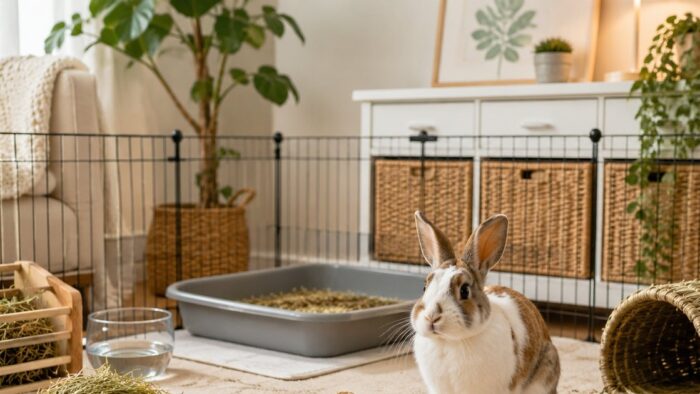
Pet-shop cages are frequently far too small. Guinea pigs need room to move, explore, and exercise, and a cramped cage leads to boredom and poor health. Provide the largest enclosure you can, with a solid floor rather than wire, which hurts their feet. Include hideaways, since guinea pigs are prey animals that feel safe with somewhere to retreat, plus daily time in a safe, larger space to stretch their legs. Keep them out of draughts and direct sun, and away from extremes of temperature.
Diet and the vitamin C question
Diet is where guinea pig care most often goes wrong, so it deserves attention:
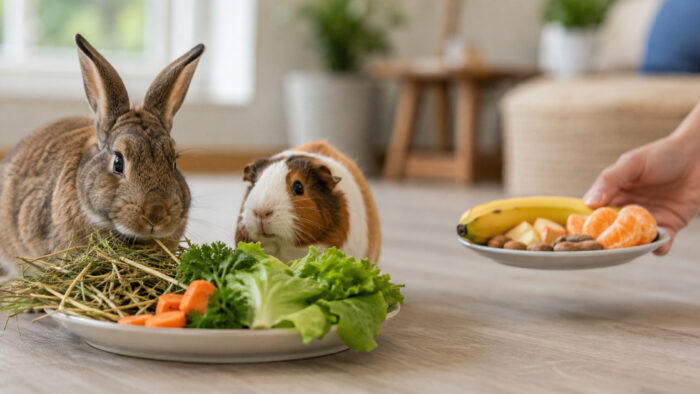
- Hay is the foundation. Unlimited good-quality hay should make up the bulk of the diet, wearing down their ever-growing teeth and keeping the gut healthy.
- Fresh vegetables daily. Leafy greens and other safe vegetables provide vitamins and variety.
- A measured amount of pellets. Guinea-pig-specific pellets supplement the diet; do not overfeed them.
- Vitamin C. Crucially, guinea pigs cannot make their own vitamin C and must get it from their diet, so this is something to plan for deliberately.
Because their dietary needs are specific and getting them wrong causes real health problems, it is worth confirming a suitable diet with a vet who sees small animals. Knowing which foods are safe matters too, as covered in our guide to safe foods for small pets.
Everyday care
Guinea pigs need fresh water and hay daily, regular spot-cleaning of the enclosure, and a full clean on a routine. Their nails need trimming, and long-haired breeds need grooming. Gentle, regular handling builds trust, though they can be timid at first, so let them come to you. They are vocal animals, and learning their squeaks and rumbles is part of the charm and a useful guide to how they are feeling.
Health and knowing your animal
Guinea pigs hide illness well, like many prey animals, so subtle changes matter. Watch for reduced appetite, weight loss, changes in droppings, discharge, or lethargy, and find a vet experienced with small animals before you need one in a hurry. Recognising early signs is a skill that applies across pets, as our guide to subtle signs your pet might be unwell explains. This article is general information and does not replace veterinary advice.
Rewarding, if you commit
Guinea pigs reward owners who take their needs seriously with years of gentle, sociable, characterful company. Give them a companion, generous space, the right hay-based diet with adequate vitamin C, and attentive daily care, and they flourish. Treat them as low-effort cage ornaments and they quietly suffer. Go in prepared and a pair of guinea pigs makes a delightful addition to an indoor home.
Frequently asked questions
Can guinea pigs live alone?
It is not recommended. Guinea pigs are highly social and generally need the company of their own kind to be happy. Most are kept in same-sex pairs or compatible groups. A solitary guinea pig often becomes lonely and withdrawn, so companionship should be planned from the start.
What should guinea pigs eat?
Unlimited good-quality hay forms the bulk of the diet, alongside daily fresh leafy greens and a measured amount of guinea-pig pellets. Critically, they cannot make their own vitamin C and must get it from their diet. Confirm a suitable diet with a vet familiar with small animals.
How big should a guinea pig cage be?
Bigger than most pet-shop cages. Guinea pigs need plenty of room to move, with a solid floor, hideaways, and daily time in a larger safe space. A cramped enclosure leads to boredom and health problems, so provide the largest space you reasonably can.
Do guinea pigs need to see a vet?
Yes. They benefit from a vet experienced with small animals, both for check-ups and when something seems wrong. Because they hide illness, watch for subtle changes in appetite, weight, droppings, or behaviour, and seek advice promptly, since small animals can deteriorate quickly.
This article offers general information for pet owners and is not a substitute for professional veterinary advice. If you are concerned about your pet’s health, consult a qualified veterinarian.