Diet causes more avoidable illness in small pets than almost anything else. A rabbit fed mostly on dry mix, a guinea pig short on vitamin C, or a hamster given something it cannot process can all end up unwell from kindness that was simply misinformed. The species differ in what they can and cannot eat, but the underlying principle is the same: the right diet keeps a small pet healthy, and the wrong food can make it seriously ill. This is a practical guide to the safe staples and the foods to avoid.
It is general guidance rather than a complete list, and because diet is so central to small-pet health, it is always worth confirming specifics with a vet who treats small animals. It complements our species guides, including guinea pig care, keeping a house rabbit, and setting up a hamster habitat.
The foundation: hay for rabbits and guinea pigs
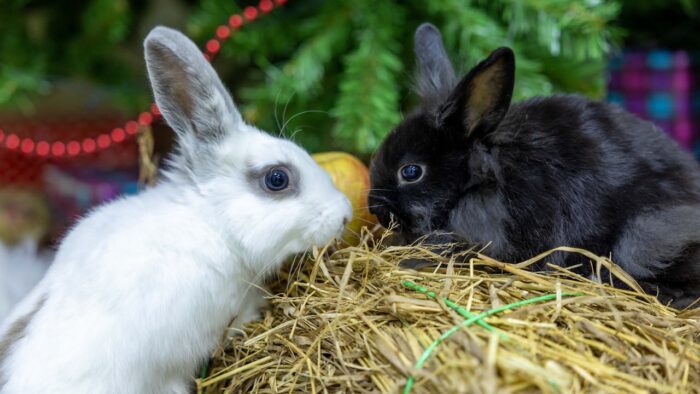
For rabbits and guinea pigs, unlimited good-quality hay is the single most important food. It keeps their continuously growing teeth worn down and their digestive systems moving, and a shortage of hay is behind many of their most common health problems. Treat hay as the staple and everything else as a supplement, not the other way around. Hamsters, by contrast, are not grazing herbivores and have quite different needs, which is why a one-size diet does not work across small pets.
Safe fresh foods, in moderation
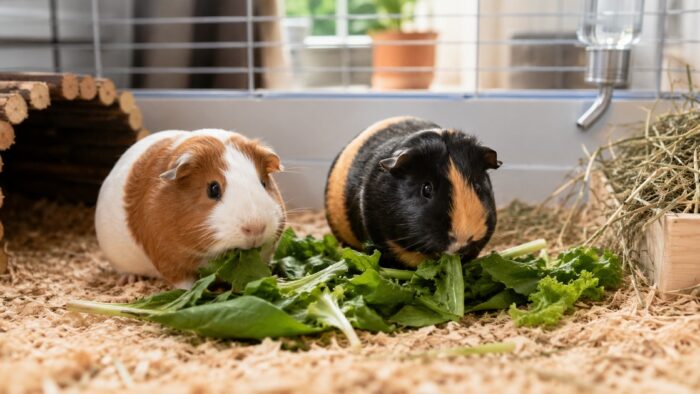
Many vegetables and some herbs are good additions for rabbits and guinea pigs, introduced gradually and in suitable amounts:
- Leafy greens and herbs are generally welcome staples for daily feeding.
- Guinea pigs particularly benefit from vitamin-C-rich vegetables, since they cannot make their own.
- Introduce any new food slowly and in small amounts to avoid digestive upset.
- Fruit and sugary vegetables should be occasional treats only, not daily fare.
Hamsters can have small amounts of certain safe vegetables and fruits alongside a suitable commercial mix, but portions are tiny and some foods that suit rabbits do not suit them, so check per species.
Foods to avoid
Some foods range from unsuitable to genuinely dangerous, and the safest approach is caution rather than experimentation. As general guidance, keep small pets away from chocolate, anything sugary or salty, processed human foods, and many common houseplants and garden plants, some of which are toxic. Certain vegetables that are fine for one species can cause problems for another, and some foods cause dangerous digestive issues in rabbits and guinea pigs specifically. Because the dangerous list varies by species and getting it wrong can be serious, verify any food you are unsure about with a reliable source or your vet before offering it.
How to introduce new foods
Small pets have sensitive digestion, so sudden changes can cause real harm. Introduce anything new in small quantities, one item at a time, and watch for changes in droppings, appetite, or energy over the following day or two. If anything seems off, remove the new food and return to the established diet. This careful approach lets you expand variety safely without risking the upsets that quick changes cause.
If a pet eats something it should not
If a small pet eats a food or plant you suspect is harmful, or shows signs of illness such as not eating, lethargy, bloating, or changed droppings, treat it as urgent and contact a vet promptly, since small animals can deteriorate fast. Do not wait to see if it passes. Keeping the number of a vet experienced with small animals to hand, before you need it, is sensible preparation.
Feeding for a long, healthy life
Good small-pet feeding is mostly simple: the right staple, hay for rabbits and guinea pigs and a suitable mix for hamsters, safe fresh foods in moderation, treats kept rare, and dangerous foods kept away entirely. Introduce changes slowly, learn the specifics for your species, and lean on a knowledgeable vet for anything you are unsure about. Get the diet right and you remove one of the biggest causes of illness in small pets before it ever arises.
Frequently asked questions
What should make up most of a rabbit or guinea pig’s diet?
Unlimited good-quality hay should be the foundation, supporting dental and digestive health, with fresh greens and a measured amount of pellets as supplements. Treating hay as the staple, rather than dry mixes or pellets, prevents many common health problems in these species.
Can small pets eat fruit?
Many can have small amounts of certain fruits as occasional treats, but fruit is high in sugar and should never be a staple. Too much can cause digestive upset and other problems. Offer fruit sparingly and check that the specific fruit is safe for your particular species.
Which foods are dangerous for small pets?
As general guidance, avoid chocolate, sugary, salty, and processed human foods, and many houseplants and garden plants, some of which are toxic. Certain foods that suit one species harm another. Because the list varies and mistakes can be serious, verify anything you are unsure about with your vet.
How do I safely introduce a new food?
Add it in small amounts, one item at a time, and watch your pet’s droppings, appetite, and energy over the next day or two. If anything changes, remove the food and return to the usual diet. Gradual introduction protects their sensitive digestion from sudden upsets.
This article offers general information for pet owners and is not a substitute for professional veterinary advice. If you are concerned about your pet’s health, consult a qualified veterinarian.