Pets are masters at hiding illness. It is an instinct inherited from wild ancestors, where showing weakness was dangerous, and it means that by the time a problem is obvious, it may be well advanced. The skill every owner needs is spotting the subtle, early changes that something is wrong, without descending into anxious overreaction at every sneeze. This guide covers the quiet warning signs worth noticing in dogs, cats, and small pets, and, just as importantly, when they warrant a call to the vet. It is general guidance, not a diagnostic tool; your vet is always the right source for assessing your individual pet.
The honest principle is that you know your pet’s normal better than anyone, and the most useful thing you can track is change. A shift from your pet’s usual eating, energy, toileting, or behaviour is the real signal, far more than any single symptom in isolation.
Changes in eating and drinking
Appetite and thirst are among the most reliable early indicators, because they change when something is off. Watch for shifts from your pet’s normal pattern.
- Eating noticeably less, refusing food, or a sudden increase in appetite.
- Drinking much more or much less than usual.
- Difficulty or reluctance eating, which can point to dental or mouth problems.
- Any sudden, marked change in either, which is worth a vet call.
Energy, behaviour, and movement
A pet that is unwell often changes how it acts before anything else shows. These behavioural shifts are easy to dismiss but genuinely informative.
- Unusual lethargy, sleeping far more, or reluctance to play or move.
- Hiding, withdrawal, or uncharacteristic clinginess or irritability.
- Stiffness, limping, or difficulty with stairs and jumping.
- Restlessness or signs of discomfort that are out of character.
Toileting and physical signs
Changes in toileting and visible physical signs are important and should not be ignored, particularly when they come on suddenly. Litter box or toileting changes can also signal stress or, in cats, urinary problems that can become urgent, which is why our guide to litter box problems urges an early vet check for sudden changes.
- Changes in toileting frequency, straining, or accidents in a trained pet.
- Vomiting or diarrhoea that is repeated, severe, or persistent.
- Changes in weight, coat condition, or visible lumps and swellings.
- Laboured breathing, persistent coughing, or any breathing difficulty.
When to call the vet
Knowing when to act prevents both dangerous delay and needless panic. Some signs mean watch and wait a day; others mean call now. As a guide, contact your vet promptly for anything sudden, severe, or persistent, and seek urgent care for breathing difficulty, collapse, repeated vomiting, inability to urinate, or signs of significant pain.
- Urgent, same-day: breathing trouble, collapse, suspected poisoning, inability to pass urine, severe or repeated vomiting, obvious pain.
- Soon, within a day or so: ongoing appetite loss, persistent lethargy, repeated mild vomiting or diarrhoea.
- Monitor and mention: minor, brief changes that resolve, but note them in case they return.
- When unsure: call the clinic; a quick conversation often clarifies whether to come in.
Prevention and knowing your pet
The best early-warning system is simply knowing your pet well and keeping up with routine care. Regular check-ups, preventive care, and keeping pets at a healthy weight, as covered in our guide to keeping indoor pets at a healthy weight, catch many problems before they become serious. A pet you observe daily and whose normal you know is one whose illness you will spot early.
Common mistakes
- Waiting for an obvious problem when pets hide illness until it is advanced.
- Dismissing subtle changes in eating, energy, or behaviour as nothing.
- Panicking over every minor, brief change rather than tracking patterns.
- Delaying care for urgent signs like breathing difficulty or inability to urinate.
- Trying to self-diagnose or self-treat instead of consulting the vet.
Editor’s note
The most valuable health tool you have is not a gadget or a supplement; it is paying attention. Because pets instinctively mask illness, the owner who notices that the cat is eating a little less, or the dog is quieter than usual, and acts on it, catches problems while they are still small and treatable. You do not need to be a vet, and you should not try to be one; you need to know your own pet’s normal and treat a real departure from it as a reason to pick up the phone. When in doubt, call your clinic, the early call is almost always the cheaper and kinder one.
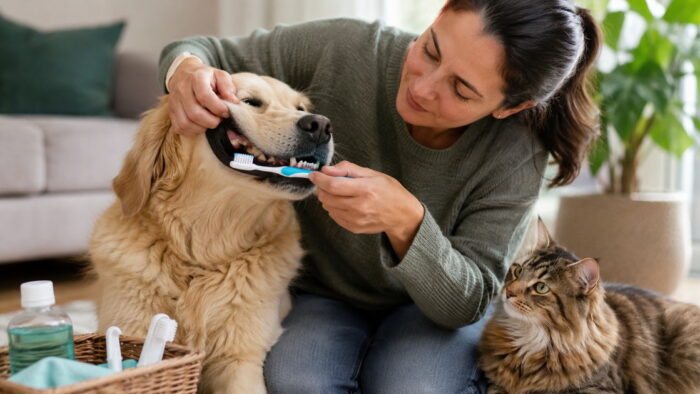
One of the most common and preventable health problems is dental disease, which we cover in our guide to at-home dental care for dogs and cats.
Frequently asked questions
What are the early signs a pet is unwell?
Subtle changes from your pet’s normal: eating or drinking more or less, unusual lethargy or hiding, changes in toileting, weight or coat changes, and any reluctance to move or play. Because pets hide illness, these quiet shifts often appear before any obvious symptom, so changes from normal are the key thing to watch.
When is a pet’s symptom an emergency?
Seek urgent veterinary care for breathing difficulty, collapse, suspected poisoning, inability to urinate, severe or repeated vomiting, or clear signs of significant pain. These are same-day concerns. For anything sudden, severe, or persistent, contact your vet promptly rather than waiting to see if it passes.
I do not want to overreact, when should I just monitor?
Minor, brief changes that quickly resolve, a single sneeze, one slightly off meal, a short bout of low energy, can usually be monitored, with a note in case they recur. The threshold for calling rises with how sudden, severe, or persistent the change is. When you are genuinely unsure, a quick call to the clinic usually settles whether to watch or come in.
How often should my pet see the vet?
Most healthy adult pets benefit from a routine check-up at least once a year, with more frequent visits for puppies, kittens, seniors, and pets with ongoing conditions. Regular preventive visits let your vet catch developing problems early and keep vaccinations and parasite control up to date. Beyond scheduled visits, see the vet whenever you notice a significant change from your pet’s normal.
Should I get pet insurance or save for vet bills?
That is a personal financial decision, and this is general information rather than financial advice. The key point is to have some plan for unexpected veterinary costs, whether through insurance, a dedicated savings fund, or both, so that money never becomes the reason a pet does not get timely care. Compare options carefully and choose what fits your circumstances. The goal is simply that a sudden illness or accident never forces a difficult choice between your pet’s care and your budget. Planning ahead, in whatever form suits you, simply keeps that option open when it matters most.
This article offers general information for pet owners and is not a substitute for professional veterinary advice. If you are concerned about your pet’s health, consult a qualified veterinarian.