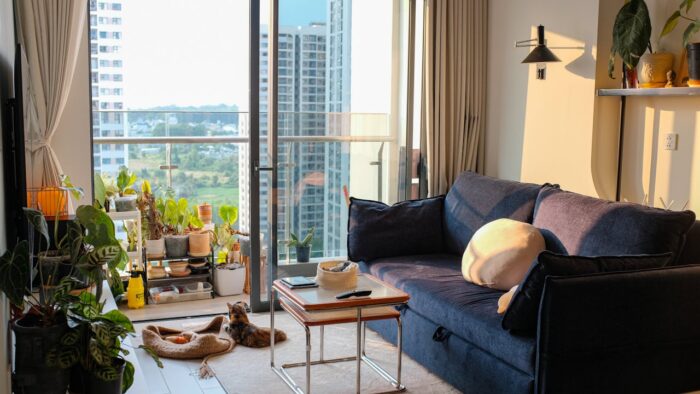
Houseplants and pets are both wonderful additions to an indoor home, and they can absolutely coexist, but not carelessly. A surprising number of popular houseplants are toxic to cats and dogs, and curious animals, cats especially, will nibble leaves out of boredom or instinct. The aim is not to choose between a green home and a pet, but to know which plants are safe, keep the risky ones out of reach, and recognise trouble quickly if it happens.
This guide is general safety information, not a complete toxicity database, and the single most reliable source for whether a specific plant is dangerous is the ASPCA’s toxic and non-toxic plant list, linked at the end. When in doubt about a plant, check before you bring it home.
Why pets nibble plants
Cats in particular are prone to chewing greenery, sometimes out of curiosity, sometimes boredom, sometimes a genuine urge for plant matter. Dogs may chew out of boredom or while exploring. Because you cannot always stop the nibbling, the safest strategy is to control which plants are within reach. Giving a cat its own safe greenery, like cat grass, can also satisfy the urge and draw it away from your other plants, and fits with the enrichment thinking in our guide to DIY cat enrichment.
Commonly toxic plants to be cautious with
Several popular houseplants are known to be harmful to pets, and lilies deserve a special mention because they are extremely dangerous to cats, with even small exposures being a serious emergency. As general guidance, treat the following groups with caution and verify them against an authoritative list:
- Lilies, which are severely toxic to cats and a genuine emergency.
- Several common foliage and flowering houseplants that feature regularly on toxic-plant lists.
- Many bulbs and some popular seasonal and outdoor plants brought inside.
Rather than rely on memory, the responsible move is to check each specific plant you own or plan to buy against the ASPCA list, since common names overlap and toxicity varies by species.
Safer choices for a green, pet-friendly home
The good news is there are many attractive houseplants generally considered non-toxic to cats and dogs, so a green home is entirely achievable. As with the toxic side, confirm any specific plant against a reliable list before buying, because a non-toxic plant can still cause mild stomach upset if a pet eats a lot of it, and some “safe” common names cover several species. Choosing from the verified non-toxic options removes most of the risk while letting you keep plenty of greenery.
Practical ways to keep plants and pets apart
Even with safer plants, a little management helps:
- Place plants on high shelves, in hanging planters, or in rooms the pet does not access, especially anything you are unsure about.
- Remove genuinely toxic plants from a home with determined nibblers, since a curious cat can reach more than you expect.
- Offer cat grass or another safe plant as an alternative target for chewing.
- Keep cut flowers and gift bouquets in mind too, as these often contain lilies or other hazards.
This is part of the wider safety thinking in our room-by-room pet-proofing guide, which covers the other household hazards worth managing.
If your pet eats a plant
If you think your pet has eaten a toxic plant, treat it as urgent. Contact your vet or an animal poison control service straight away, and if you can, identify the plant or take a sample, since that helps them advise you. Do not wait for symptoms to appear, particularly with cats and lilies, where speed matters greatly. Signs to watch for include drooling, vomiting, lethargy, or loss of appetite, but absence of symptoms is not a reason to delay seeking advice.
A home that is green and safe
You do not have to give up houseplants to keep pets safe, but you do have to be deliberate: favour verified non-toxic plants, keep anything risky well out of reach, never keep lilies around cats, and know who to call if something goes wrong. A few minutes checking a plant against a trusted list before it enters your home prevents the great majority of plant-related scares. Check first, place carefully, and both your plants and your pets can thrive.
Frequently asked questions
Which houseplants are most dangerous to pets?
Lilies stand out as extremely dangerous to cats, where even small exposures are an emergency. Several other common houseplants and many bulbs also appear on toxic-plant lists. Because toxicity varies by species and common names overlap, check each specific plant against an authoritative source such as the ASPCA list.
How do I stop my cat eating my plants?
You cannot always stop the urge, so control access by placing plants out of reach and removing genuinely toxic ones. Offering cat grass or another safe plant gives the cat an acceptable target. Boredom can drive nibbling, so enrichment helps reduce it too.
Are any houseplants completely safe for pets?
Many houseplants are generally considered non-toxic to cats and dogs, so a green home is achievable. However, even non-toxic plants can cause mild stomach upset if eaten in quantity, and common names can cover several species, so verify any specific plant against a reliable list before buying.
What should I do if my pet eats a toxic plant?
Treat it as urgent. Contact your vet or an animal poison control service immediately, and identify the plant if you can. Do not wait for symptoms, especially with cats and lilies, where prompt action is critical. Signs can include drooling, vomiting, lethargy, or appetite loss, but seek advice even before they appear.
This article offers general information for pet owners and is not a substitute for professional veterinary advice. If you are concerned about your pet’s health, consult a qualified veterinarian.