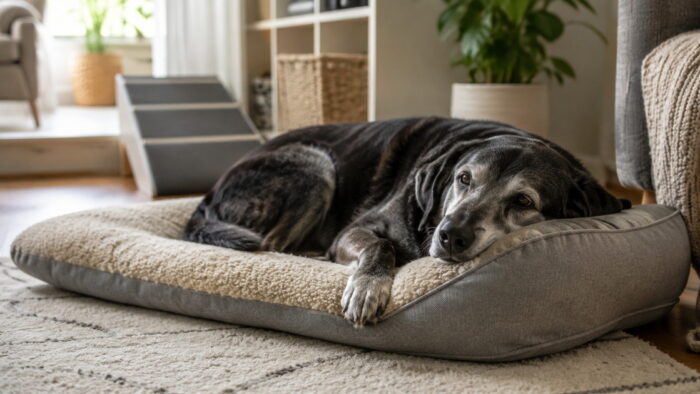
A crate gets a bad reputation from people who picture a cage. Used properly, it is closer to a bedroom: a small, safe space a dog goes to rest, settle, and feel secure. The difference between the two comes down entirely to how the dog is introduced to it. Force the door shut on a frightened dog and you create the cage everyone fears. Let the dog discover the space at its own pace and it becomes somewhere it chooses to be.
This guide walks through a gradual method that suits both puppies and newly adopted adults. It takes days to weeks rather than hours, and the patience pays off in a dog that travels well, settles at night, and copes calmly when you step out.
Why a crate helps at all
Dogs are den animals by instinct, and many genuinely like an enclosed nook to retreat to. A crate gives a young dog a clear boundary while it learns the rules of the house, keeps it safe from hazards when you cannot watch, and gives an anxious dog a predictable refuge. It also supports toilet training, since most dogs will avoid soiling the place they sleep, which is part of the routine covered in our realistic puppy house-training guide.
None of that works if the crate feels like a trap. The whole method below exists to make sure it never does.
Choosing and placing the crate
Pick a crate big enough for the dog to stand, turn around, and lie flat, but not so cavernous that a puppy can soil one corner and sleep in another. For a growing puppy, a crate with a divider lets you expand the space as it grows. Put it somewhere the family spends time, not isolated in a back room, so the dog still feels part of things while it rests. A soft mat and, at night, a light cover over part of the crate help it feel den-like.
The step-by-step method
- Make it appear out of nowhere. Leave the door open and drop treats inside when the dog is not looking. Let it find good things in there on its own terms, with no pressure to enter.
- Feed meals near, then inside. Move the food bowl to the crate doorway, then just inside, then to the back over several meals. Eating in the crate builds a strong positive link.
- Reward going in on cue. Toss a treat in, add a word like “bed” or “crate,” and praise the dog for stepping inside. Keep the door open throughout this stage.
- Close the door for seconds. Once the dog is comfortable inside, shut the door for a moment while it chews something good, then open it before it asks to leave. Build the time up gradually.
- Add short absences. Step out of the room for a minute, return calmly, and extend slowly. Keep arrivals and departures low-key so they are not events.
Progress at the dog’s pace, not a calendar’s. If a step causes whining or panic, you have moved too fast; drop back to the previous stage and stay there longer.
How long the dog can stay in
Crating is for resting and short, manageable absences, never a way to store a dog all day. A rough guide for puppies is no more than one hour per month of age between toilet breaks during the day, and even adults should not be crated for long unbroken stretches as a daily habit. If your workday is long, the crate is one piece of a wider plan that also covers exercise and company, much like the approach in our guide to leaving your dog home alone.
Mistakes that undo the work
- Using the crate as punishment, which poisons the positive association you worked to build.
- Closing the door too soon, before the dog is relaxed inside with it open.
- Letting a whining dog out the instant it complains, which teaches it that noise opens the door.
- Leaving a dog crated far too long, so the space becomes a source of frustration rather than rest.
- Skipping exercise, so a dog with pent-up energy is asked to settle when it cannot.
A final word
Crate training is less about the crate and more about teaching a dog that being calm and confined is safe and even pleasant. Go slowly, pair the space with food and rest, and never use it to punish, and most dogs come to treat the crate as the spot they pick when they want peace. Rushed and forced, it fails; patient and positive, it gives you a dog that settles anywhere. If you are also choosing a crate, our review of dog crates for apartment living covers what to look for.
Frequently asked questions
Is it cruel to crate a dog?
Not when it is introduced gradually and used for rest and short absences rather than long confinement. Dogs often choose an enclosed space to relax in. Cruelty comes from forcing a frightened dog inside or leaving it crated for excessive periods, not from the crate itself.
How long does crate training take?
It varies widely. Some dogs settle within days, while anxious or older rescues may need several weeks. The timeline depends on temperament and past experience, so judge progress by the dog’s comfort rather than by a fixed schedule.
Should I crate my dog at night?
Many owners do, and most dogs sleep well in a crate placed near the family at first. A covered crate beside your bed reassures a new puppy. As the dog matures and proves trustworthy, you can decide whether to keep the routine or move to a bed.
What if my dog cries in the crate?
Brief settling noise is normal, but persistent distress means you have progressed too quickly. Return to an earlier step, shorten the time, and rebuild slowly. Avoid releasing the dog the moment it cries, as that rewards the noise; wait for a pause, then let it out calmly.