A cat that stops using its litter box is not being spiteful, despite how it can feel; there is always a reason, and finding it is the whole battle. Litter box problems are one of the most common, and most distressing, issues indoor-cat owners face, yet most are entirely fixable once you understand the cat’s logic. Cats are fastidious and particular, and a box that offends them, or a medical problem you cannot see, will quietly drive them elsewhere. This guide walks through diagnosing and solving the usual causes, in order, so you can get your cat back on track. Note: a sudden change in toilet habits can signal a medical issue, so a vet check should come early.
The honest principle is that the cat is always telling you something. Sudden changes often mean illness or stress; ongoing avoidance usually means something about the box, its litter, or its location is wrong from the cat’s point of view.
Rule out a medical cause first
Before treating it as a behaviour problem, see your vet, especially if the change was sudden. Several common conditions cause a cat to avoid the box or associate it with discomfort, and no amount of box-tweaking will fix a medical issue. A cat straining, going frequently, or showing any sign of distress when toileting needs prompt veterinary attention, since some urinary problems are genuine emergencies. Recognising the broader signs a pet may be unwell applies here too.
Get the box itself right
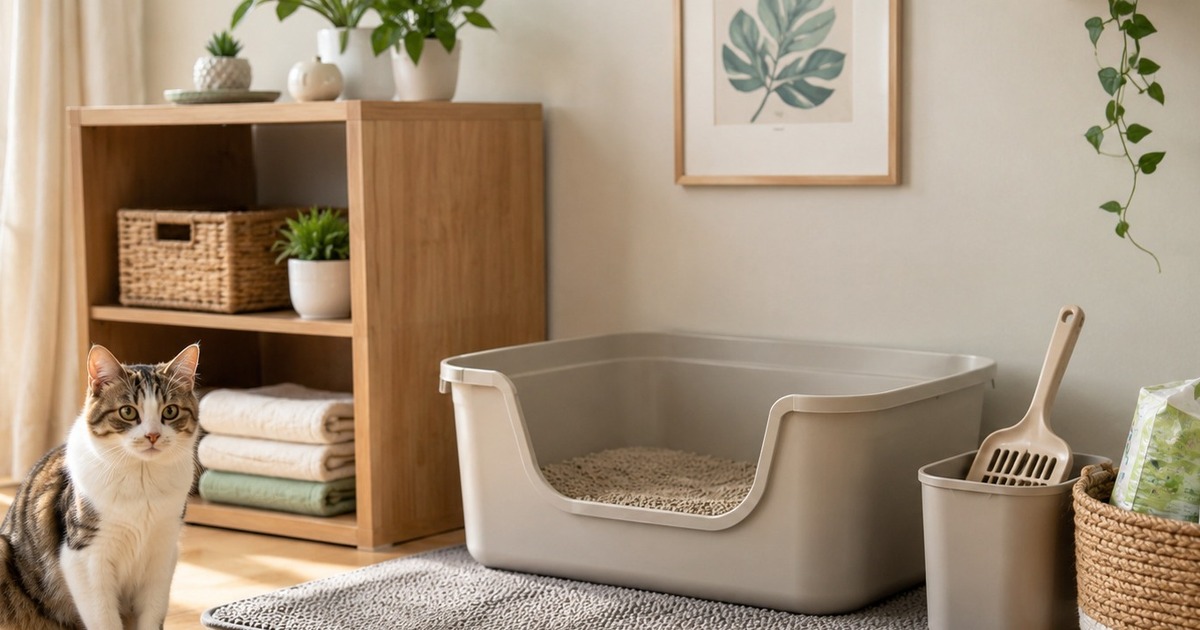
Cats are exacting about their facilities, and small details that seem trivial to us can make a box unacceptable to them. The choice of box matters, as our guide to the best cat litter boxes explains.
- Size: many boxes are too small; a cat wants room to turn and dig comfortably.
- Number: the general rule is one box per cat plus one spare, in different locations.
- Covered or open: some cats dislike hoods, which trap odour and feel confining; offer a choice.
- Cleanliness: cats refuse a dirty box; scoop at least daily and wash it regularly.
Litter and location
Two more things commonly drive a cat away: the litter and where the box is. Cats generally prefer a soft, unscented, fine-grained litter and dislike strong fragrances and rough textures, so an abrupt switch to a litter the cat hates can trigger avoidance. Location matters just as much, a box in a noisy, exposed, or hard-to-reach spot feels unsafe. Place boxes somewhere quiet, accessible, and away from food and water, with an easy escape route so the cat never feels cornered.
Stress and territory
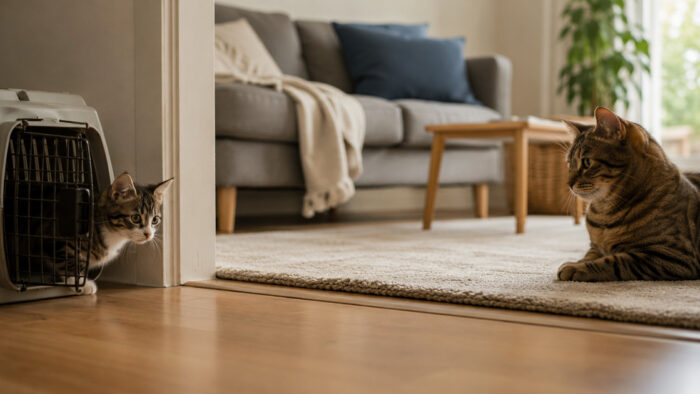
Cats are sensitive, and litter box avoidance is often a stress signal, triggered by a new pet, a move, a change in routine, or conflict with another cat. Addressing the underlying stress, through routine, enrichment, and the calming approaches in our guide to reducing pet anxiety naturally, is essential. In multi-cat homes, ensure there are enough boxes in separate places so no cat can guard them all and block another’s access.
Cleaning up properly matters
How you clean accidents affects whether they recur. Cats return to spots that smell of previous accidents, so ordinary cleaning is not enough; you need an enzyme cleaner that breaks down the odour completely rather than masking it. Avoid ammonia-based products, whose smell can actually attract a cat back to the spot. Thorough, enzyme-based cleaning removes the scent cue that would otherwise keep the cycle going.
Common mistakes
- Assuming the cat is being spiteful instead of looking for the real cause.
- Skipping the vet check when the change was sudden, missing a medical problem.
- Keeping the box too dirty, too small, or in a stressful location.
- Switching litter abruptly to a type the cat dislikes.
- Cleaning accidents with ordinary or ammonia-based products that leave or mimic the scent.
Editor’s note
When a cat breaks its litter box habits, resist the urge to take it personally, and resist the urge to assume it is behavioural. The first call is the vet, because a sudden change so often signals a treatable medical issue, and some urinary problems are genuinely urgent. Once illness is ruled out, work methodically through the box, the litter, the location, and the cat’s stress, and you will almost always find the cause. Cats are creatures of strong preferences, and litter box problems are nearly always them telling you, clearly, that something is wrong. Listen, and the problem usually solves itself.
The litter itself matters as much as the box; our guide to choosing the right cat litter explains how the type affects whether a cat will use it, and for kittens see litter training a kitten.
Frequently asked questions
Why has my cat suddenly stopped using the litter box?
A sudden change often signals a medical problem, such as a urinary or digestive issue, so see your vet first, especially if the cat strains, goes frequently, or seems in discomfort. If illness is ruled out, look at the box’s cleanliness, size, litter type, location, and any recent stress or change in the home.
How many litter boxes should I have?
The general guideline is one box per cat plus one extra, placed in different, accessible locations. This prevents one cat guarding the only box, gives options if one is soiled, and reduces territorial stress, which is a common cause of avoidance in multi-cat homes.
What kind of litter do cats prefer?
Most cats prefer a soft, fine-grained, unscented litter, which feels comfortable to dig in and lacks the strong fragrance many cats dislike. If you need to change litter, do it gradually by mixing the new in with the old, since an abrupt switch to an unfamiliar type can trigger box avoidance.
How do I stop my cat returning to the same accident spot?
Clean the area thoroughly with an enzyme cleaner that fully breaks down the odour, since cats are drawn back to spots that still smell of previous accidents, and ordinary cleaners only mask the scent. Avoid ammonia-based products, which can smell like urine to a cat and attract it back. It can also help to make the spot less appealing or temporarily place a litter box there while you address the underlying cause.
Can stress cause litter box problems?
Very often, yes. A new pet or person, a house move, a change in routine, or conflict with another cat can all trigger litter box avoidance, because cats express stress through their toileting. Alongside getting the box, litter, and location right, easing the underlying stress through routine, enrichment, and enough separate boxes in a multi-cat home is essential to resolving it. Treat a stress-driven lapse as a signal to look at what changed in the cat’s world, then steady its environment while you fix the box itself. Address both the cause and the box together, and the lapse usually resolves before it becomes a fixed habit.