An automatic feeder sounds like the perfect fix for a busy schedule: set it and your pet eats on time whether you are home or not. The reality is more mixed, because the cheap ones jam, dispense the wrong amount, and fail at the worst moment, while the good ones genuinely take a chore off your plate. The difference is in a handful of features most buyers overlook. This guide explains what actually matters when choosing an automatic feeder, which type suits which pet, and the pitfalls that turn a convenience into a worry.
The honest principle is that a feeder is only as good as its reliability, you are trusting it with your pet’s meals, so consistency and a sensible backup matter far more than apps and gadgetry. A feeder that fails silently is worse than no feeder at all.
What actually matters
- Reliable portioning: it must dispense the same correct amount every time, without jamming or over-serving.
- Power backup: a battery backup so a power cut does not mean a missed meal.
- Tamper resistance: a determined dog or clever cat should not be able to break in for extra food.
- Easy cleaning: a feeder you cannot clean properly grows stale food and odours.
- Appropriate food type: most handle dry food well; wet food needs a specific cooled design.
Types of feeder and who they suit
Gravity feeders
The simplest and cheapest: food drops as the bowl empties. Fine for free-feeding a disciplined pet, but useless for portion control and a recipe for overeating in a greedy one.
Programmable dry-food feeders
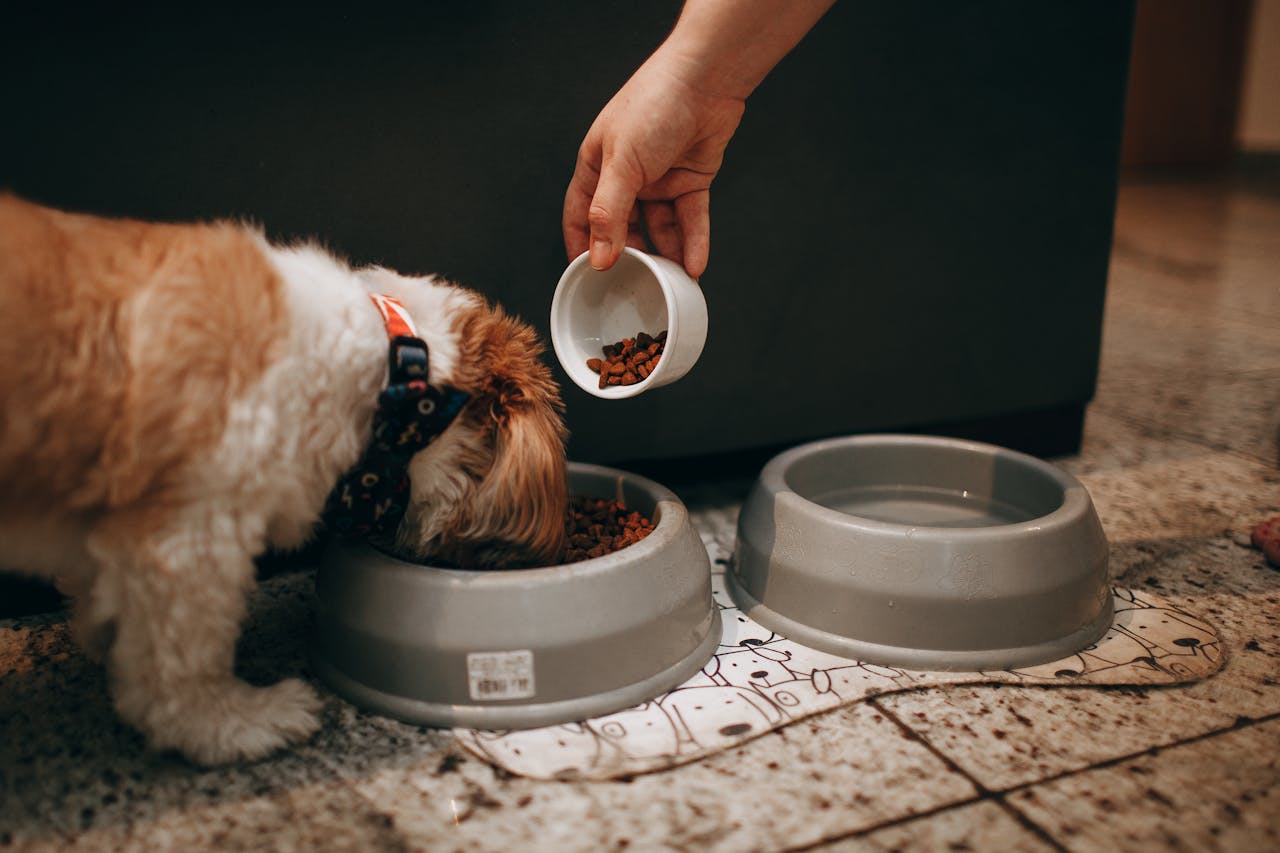
The workhorse for most owners. These dispense set portions at set times, ideal for keeping a busy household on schedule. The best add battery backup and a portion-size range that suits everything from a cat to a large dog.
Wet-food feeders
Specialised units with cooling or sealed compartments to keep wet food fresh for timed serving. Useful for pets on wet diets, though they hold fewer meals and need careful cleaning.
Smart app-connected feeders
Add scheduling, remote dispensing, and alerts via your phone. Genuinely useful for irregular schedules, but the connectivity is a convenience layered on top of, not a substitute for, reliable mechanical portioning.
Feeders and healthy weight
A feeder’s greatest value beyond convenience is portion control, which directly supports keeping a pet at a healthy weight. Free-feeding and guesswork are how indoor pets quietly become overweight; a programmable feeder serves exact, vet-appropriate portions on schedule. For the wider picture of managing this, see our guide to keeping indoor pets at a healthy weight, and remember to confirm correct portions with your vet rather than the feeder’s generic presets.
Where a feeder fits in a busy home
An automatic feeder solves timing, but a busy pet needs more than food on schedule. Pairing the feeder with enrichment that occupies the mind, puzzle feeders for some meals and interactive toys for play, keeps a home-alone pet both fed and stimulated. The feeder handles the routine; the enrichment handles the boredom that an empty day would otherwise create.
Common mistakes
- Buying the cheapest feeder, then dealing with jams and missed meals.
- Choosing a unit with no power backup, so an outage means no food.
- Ignoring tamper resistance with a food-motivated dog or crafty cat.
- Using a dry-food feeder for wet food, leaving it to spoil.
- Trusting generic portion presets instead of vet-advised amounts.
Editor’s note
The feature people obsess over, the app, is the least important; the one they ignore, reliable portioning with a battery backup, is what actually matters. You are handing a machine responsibility for your pet’s meals, so buy for trustworthiness first and convenience second. Test any new feeder thoroughly while you are home before relying on it, keep it scrupulously clean, and never let it replace the daily contact and enrichment your pet needs. Used well, a good feeder is a genuine help for a busy owner; chosen carelessly, it is a problem waiting for the day you are not there. Buy the reliable one, set it up carefully, confirm the portions with your vet, and treat it as one tool in a well-run routine rather than a replacement for your attention.
Frequently asked questions
Are automatic feeders safe to rely on?
A good one with reliable portioning and battery backup is, but test it thoroughly while you are home before depending on it. Avoid the cheapest models, which jam or overfeed, and never use a feeder as a reason to skip the daily contact your pet needs.
Can I use an automatic feeder for wet food?
Only with a feeder specifically designed for it, using cooling or sealed compartments to keep wet food fresh. Standard dry-food feeders will leave wet food to spoil. Wet-food units hold fewer meals and need careful, frequent cleaning.
Will a feeder help my pet lose weight?
It can help by serving exact, controlled portions instead of free-feeding, which is a common cause of weight gain. But the portion sizes should be set on your vet’s advice, not the feeder’s generic presets, and weight management also depends on exercise and overall diet.
Do automatic feeders work for multiple pets?
It is tricky, because one pet may eat another’s portion. Some feeders use microchip or collar recognition to open only for the right pet, which helps in multi-pet homes. Without that, you may need separate feeders in separate spaces, and you should watch to ensure each pet actually gets its own meal.
How do I clean an automatic feeder properly?
Empty and wash the food container, dispensing mechanism, and bowl regularly with warm soapy water, then dry thoroughly before refilling, since trapped moisture spoils food and breeds bacteria. Dry-food units need cleaning every week or two; wet-food feeders need it after almost every use. Choose a feeder with removable, dishwasher-safe parts to make this realistic to keep up.
Will my pet adjust to an automatic feeder?
Most do quickly, though some are startled at first by the dispensing sound. Introduce it gradually while you are home, let the pet associate it with meals, and keep the schedule consistent. Within a few days most pets learn to expect food from the feeder, but watch a nervous pet at first to be sure it is eating normally.
Are app-connected smart feeders worth the extra cost?
They are worth it if you have an irregular schedule and value remote dispensing, alerts, and scheduling from your phone; otherwise the connectivity adds cost without much benefit. Whatever you choose, the app should sit on top of reliable mechanical portioning and a battery backup, which are the features that actually keep your pet fed when you are not there.