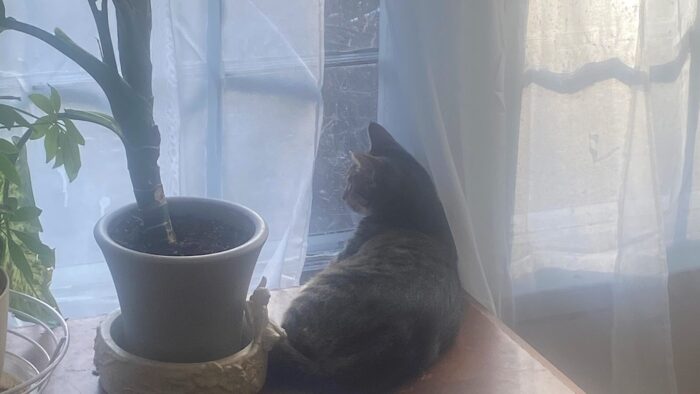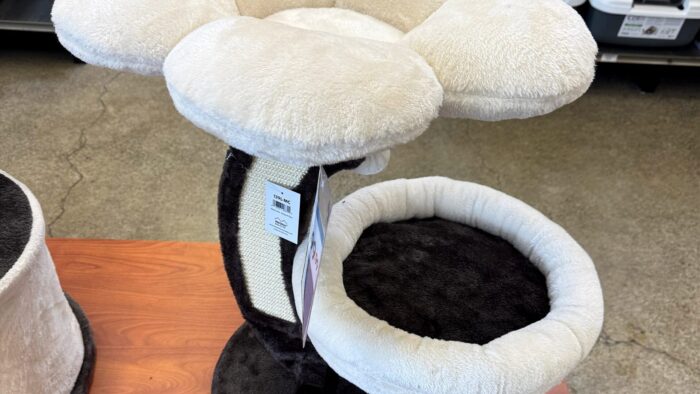
Yes, cats feel the cold, even indoors. A healthy adult cat is comfortable in most heated homes, but kittens, elderly cats, thin or short-haired cats, hairless breeds and cats with arthritis or other illness chill more easily. Signs are seeking warm spots, curling tightly, cold ears and paws, and sleeping more. Offer a raised bed away from draughts, a blanket or a covered bed, and keep the room they sleep in from getting cold overnight. Shivering, lethargy or weakness in a cat that has been cold needs a vet.
Who needs extra warmth
| Cat | Risk in a cool home | What helps |
|---|---|---|
| Healthy adult, normal coat | Low | A bed off the floor, away from draughts |
| Kitten | Higher; small body loses heat fast | Warm room; snug bed; never leave in an unheated room |
| Senior or arthritic | Higher; cold stiffens joints | Padded or pet-safe heated bed; easy access without jumping |
| Thin, ill or recovering | Higher | Warm, quiet room; ask the vet |
| Hairless or very short coat | Higher | Warm bedding; some tolerate a soft jumper |
| Cat with outdoor access | Depends on the weather | Shelter and a way in at all times; indoors in freezing weather |
Use only heating pads made for pets, and keep cats away from open fires, heaters and hot radiators without guards.
Indoor cats are less exposed to winter weather than outdoor cats, but they are not immune to the season. Light levels, temperature and the household routine all change, and cat behaviour changes with them.

More sleeping
Cats sleep more in winter – often noticeably so. Reduced daylight affects melatonin, and there is simply less to watch out of the window. This is normal.
What is not normal is lethargy combined with other changes: reduced appetite, hiding, reluctance to jump, or sleeping in unusual places. Older cats in particular may be showing arthritis pain, which worsens in cold weather. Worth a vet check rather than assuming it is the season.
Appetite changes
Some cats eat more in winter, a residual seasonal instinct. For an indoor cat that is also moving less, that combination puts on weight quickly, and feline obesity brings diabetes and joint problems.
Weigh your cat monthly rather than judging by eye. If weight is creeping up, reduce portions slightly and increase play rather than leaving food down all day. Puzzle feeders help, because they slow eating and add activity.
Restlessness and night activity
Less stimulation during short days frequently produces more activity at night – the three in the morning sprint down the hallway. The fix is to shift activity into the evening: a solid play session ending in a catch and then the last meal of the day. Completing the hunt-eat-groom-sleep sequence is what settles a cat.
Heat-seeking
Expect cats to relocate to radiators, sunny patches, airing cupboards and laps. Watch for a few risks:
- Radiator beds are fine; a cat pressed against a very hot pipe is not
- Check tumble dryers and washing machines before closing the door, every time
- Open fires and wood burners need a guard
- Portable heaters should be stable and not left unattended
- Electric blankets and heat pads should be cat-safe and thermostatically controlled
Dry air and skin
Central heating lowers humidity and some cats develop flaky skin and increased shedding. Brushing more often helps, and so does making sure the cat is drinking. If skin is sore, scabby or the cat is scratching, that is a vet matter rather than a humidity matter.
Water intake
Cats drink less when the environment is dry and warm, which raises urinary risk. Add extra water bowls in different rooms, consider a pet fountain since many cats prefer moving water, and increase the proportion of wet food if the cat tolerates it. Straining to urinate, frequent trips to the tray with little result, or blood in the urine is an emergency, particularly in male cats – go to a vet immediately.
Seasonal enrichment
Short days mean less window entertainment, so replace it:
- Put a bird feeder where the cat can watch it from a perch
- Rotate toys and boxes weekly so there is something new
- Grow cat grass on a windowsill
- Bring in safe outdoor items – a pine cone, a handful of leaves – for scent
- Add vertical routes so the cat can move around the room off the floor
- Increase play to three short sessions a day through the darkest months
Older cats need more in winter
Arthritic cats struggle with cold and with jumping. Provide soft warm beds at floor level, steps or a stool up to favourite perches, and a litter tray with a low entry side. If an older cat starts missing the tray, difficulty climbing into it is a common and easily fixed cause.
Seasonal hazards
Antifreeze is highly toxic and sweet-tasting; clean spills immediately and keep containers sealed. Many festive plants including lilies, poinsettia, holly and mistletoe are toxic to cats – lilies in particular are extremely dangerous and should not be in a cat household at all. Tinsel and ribbon cause life-threatening intestinal blockages if swallowed. Candles and cat tails are a predictable combination.
Winter Weight and the Boredom Spiral
The classic winter pattern is a cat that sleeps more, plays less and eats the same, arriving at spring measurably heavier. Counter it on both ends: shift a portion of daily calories into food puzzles so eating costs activity, and anchor two short play sessions into the dark evenings, when cats are naturally most active anyway, following the hunt structure in play behaviour. Weigh monthly through winter; a curve is far easier to correct at 200 grams than at a kilo, as our healthy weight guide lays out.
Warm spots: comfort or symptom?
Radiator-hugging is normal cat economics, but a sudden obsessive need for heat in an older cat can flag thyroid or kidney issues, and stiffness after long warm naps is often the first visible sign of arthritis, which affects most senior cats and hides well. Provide warm bedding off the floor and away from draughts, then watch the pattern: seeking warmth is fine, struggling to rise from it belongs in the vet conversation per red flags.
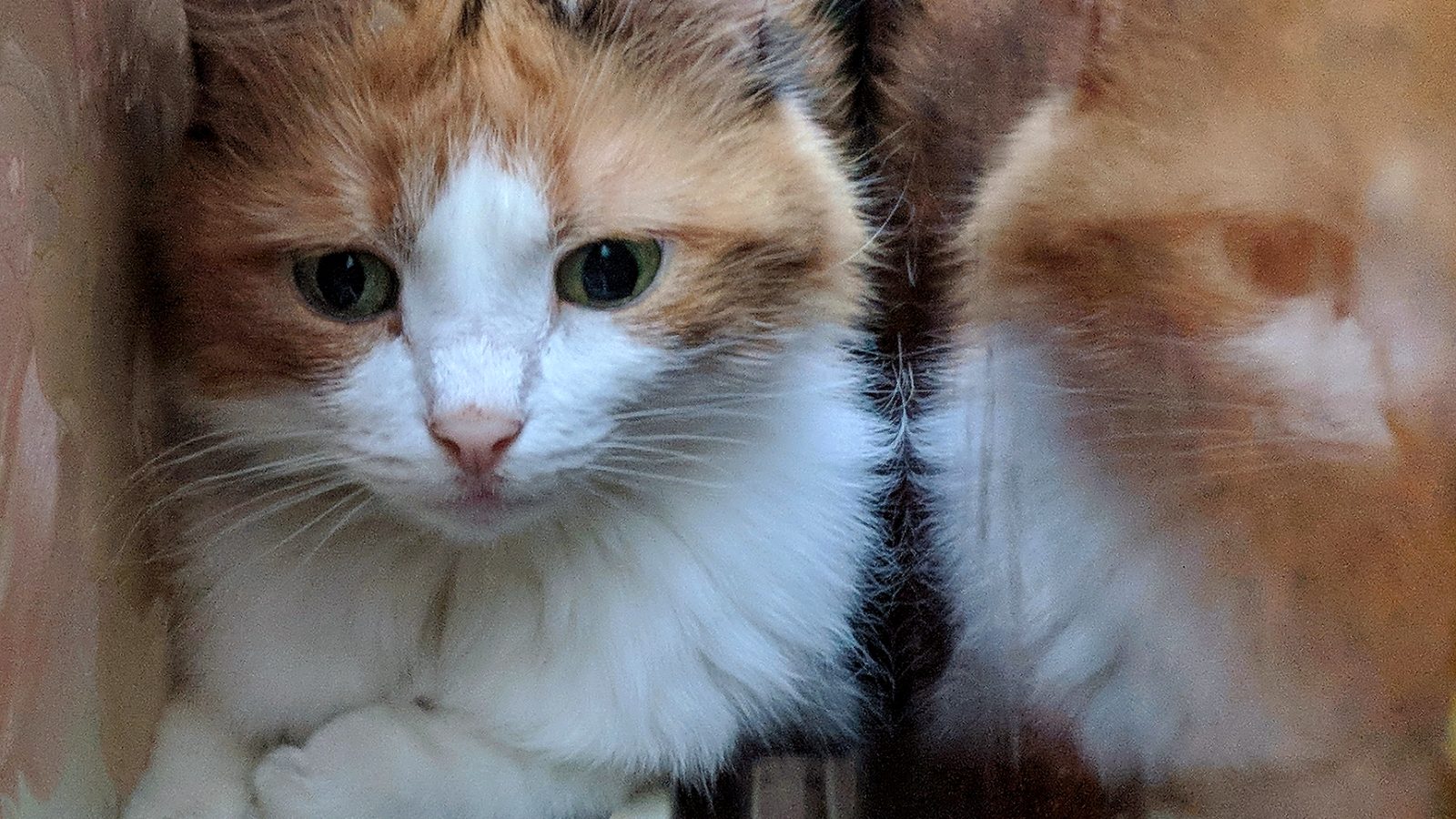
Featured image: The cat Kira warms herself with radiators (). Photo: Egor Plenkin (CC BY 2.0), via Wikimedia Commons.