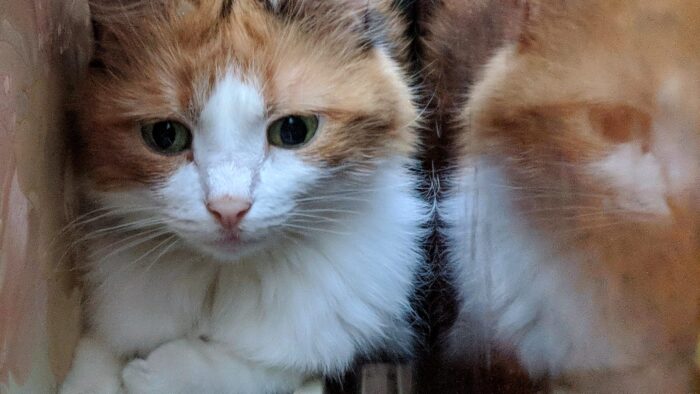
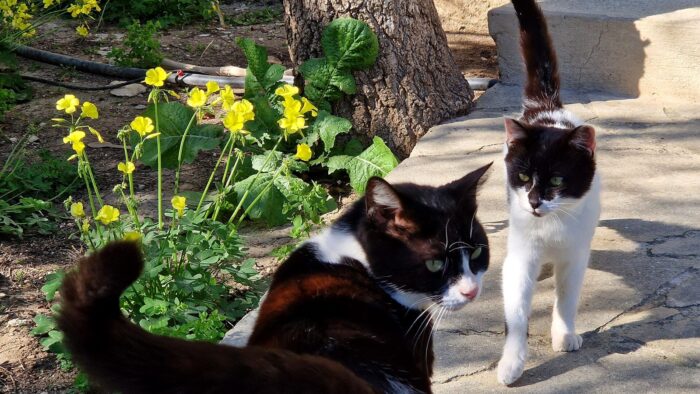
Breed is a weaker predictor of an individual cat personality than most people expect – but it does shift the odds on activity level, vocalisation, sociability and grooming needs, all of which matter in a flat.
What actually matters in an apartment
- Noise level. Thin walls and a very vocal cat is a known combination.
- Activity level. High-energy breeds need more vertical space and more of your time, not less.
- Tolerance of being alone, if you work out of the house.
- Grooming needs, which in a small home means how much hair ends up everywhere.
- Sociability with people and other pets in a confined space.
Breeds that tend to suit indoor flat life
British Shorthair. Calm, undemanding, quiet and content to sit near you rather than on you. One of the easiest indoor cats. Prone to weight gain, so portion control and play matter.
Ragdoll. Placid, people-oriented and famously relaxed about being handled. Semi-long coat needs regular brushing. Happiest with company for much of the day.
Persian and Exotic Shorthair. Low activity, quiet, happy to be indoors. Persians need daily grooming. Both are flat-faced breeds, which brings well-documented breathing, eye and dental problems – worth understanding fully before choosing one, and worth buying only from breeders who prioritise muzzle length and health testing.
Russian Blue. Quiet, reserved with strangers, strongly bonded to its own people, low shedding. Suits a calm household.
Scottish Fold. Gentle and quiet, but the folded ear gene causes a painful cartilage and joint condition in affected cats. Many veterinary bodies now advise against breeding them, and that is worth taking seriously.
Birman. Gentle, sociable, moderate energy, silky coat that mats less than a Persian.
Burmese and Tonkinese. Affectionate and playful, happy indoors, but social and better in pairs if you are out all day.
Breeds that need more than a small flat provides
Bengals are highly active, intelligent and demanding, and frequently rehomed by owners who underestimated them. Savannahs more so. Abyssinians are busy and need vertical space and a lot of play. Siamese and Oriental Shorthairs are intelligent, very vocal and intensely social – excellent cats, but not quiet ones, and poorly suited to long days alone. Maine Coons are generally calm but large, and need substantial furniture and space.
None of these are impossible in a flat; they simply need considerably more input than the quieter breeds.
The honest recommendation
For most people in an apartment, an adult moggy from a shelter is the better choice. You can meet the actual cat, the staff can tell you how it behaves, and an adult personality is already formed – you are not gambling on how a kitten turns out. Ask specifically for a cat already assessed as suited to indoor-only life and to the hours you keep.
Shelter adults also skip the kitten phase, which in a small flat is a genuine advantage.
Things that matter more than breed
Vertical space, two or three play sessions a day, puzzle feeding, a window view, enough litter trays, and company or enrichment during long absences. A well-set-up flat with an average cat beats a bare flat with a carefully chosen breed every time.
Single cat or pair
Many social breeds do better in pairs, particularly if you are out all day. Two cats that already live together and are rehomed as a bonded pair are far easier than introducing two strangers later. If you want two, taking a bonded pair from a shelter is the simplest route.
Temperament Beats Breed More Often Than Not
Breed lists are probabilities, not guarantees, and the majority of superb apartment cats are non-pedigree domestic shorthairs. When choosing an adult rescue, the individual’s history outweighs any breed trait: ask shelter staff which cats are calm in the cattery, which ones chirp for attention, which hide. An adult cat’s personality is already visible, which is the quiet advantage of adopting past kittenhood. If you do buy pedigree, meet the parents where possible, since energy level and vocality run in lines, and budget for the grooming reality: the Persian coat that looks serene in photos is a daily-combing commitment per our hairball prevention guide.
The apartment compatibility questions that matter
Vocality (a Siamese conversation goes through walls), energy (a Bengal needs the stimulation plan from entertaining cats while working, not a studio flat with absent owners), and sociability (Ragdolls genuinely suffer alone all day; two bonded cats often beat one lonely one). Match on those three and the breed name matters far less than the brochure suggests.
Related guides
- Best Indoor Dog Breeds for Apartments
- Best Cat Trees and Climbing Furniture for Small Spaces
- Transitioning an Outdoor Cat to Indoor Life
Featured image: Ragdoll Kater drei Jahre alt RAG n 21 seal-tabby-colourpoint Januar. Photo: BlackIceNRW (CC BY-SA 3.0), via Wikimedia Commons.