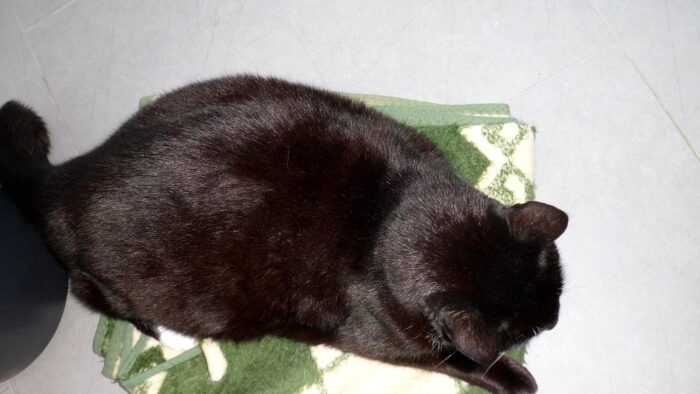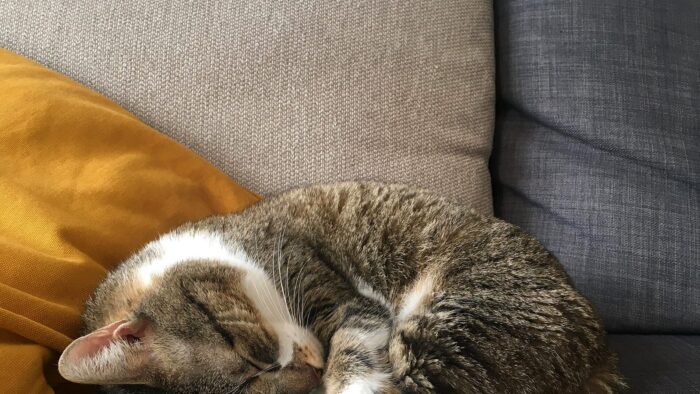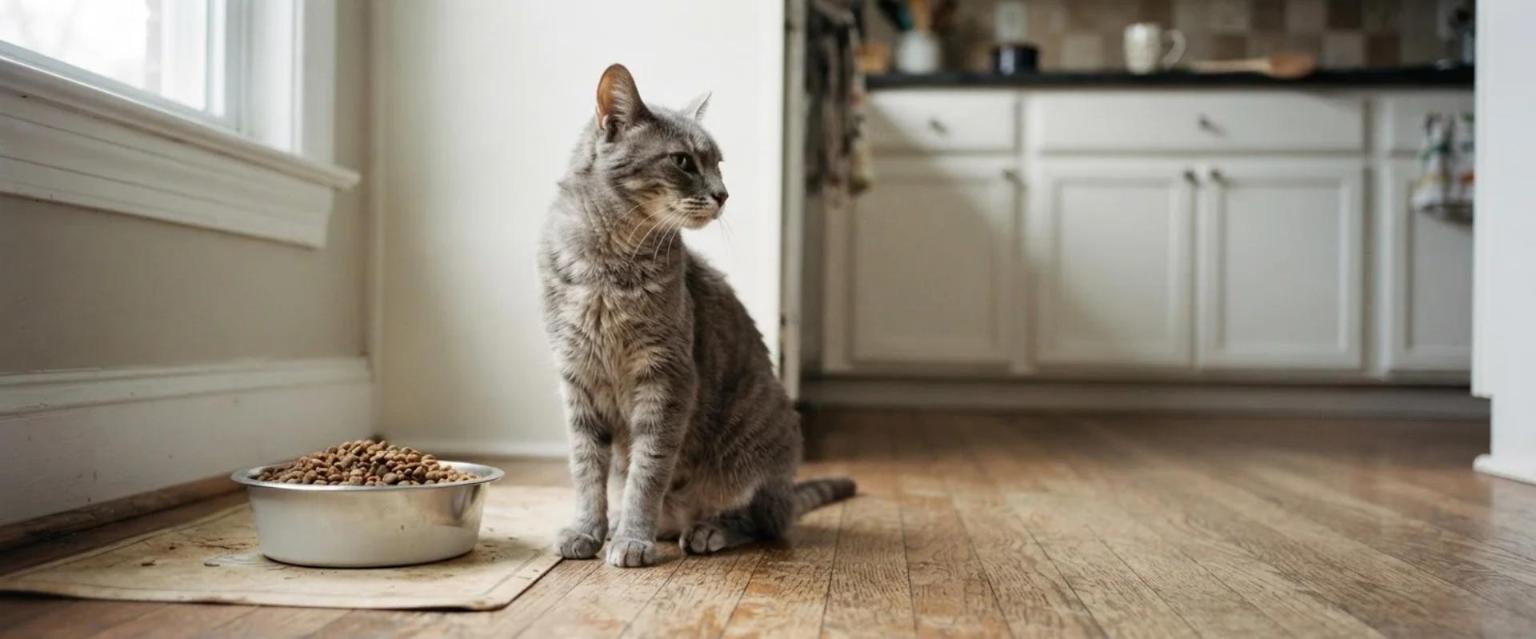
A cat that has not eaten for 24 hours needs a vet appointment, and one that has not eaten for 48 hours needs to be seen urgently. Cats cannot safely fast the way dogs can. Within two to three days of not eating, a cat can develop hepatic lipidosis, a liver condition that is life threatening and more likely in overweight cats.
This is the part most owners get wrong. A dog skipping a meal is usually nothing. A cat skipping meals is a clock running.
How long can a cat go without eating?
| Time without food | What to do |
|---|---|
| Up to 12 hours | Watch. Check for stress, a new food, or a dirty bowl. Offer something tempting. |
| 12 to 24 hours | Call your vet for advice, especially for a kitten, a senior cat, or a cat with a known condition. |
| 24 to 48 hours | Book an appointment. Do not keep waiting to see if it passes. |
| Over 48 hours | Urgent. Hepatic lipidosis risk is real from here, particularly in overweight cats. |
Kittens, cats with diabetes and cats with kidney disease have far less margin. For a kitten under six months, 12 hours without food is already a reason to call.
Why is my cat not eating but acting normal?
When a cat is bright, playing and using the litter box but refusing food, the cause is more often environmental than medical. Work through these in order:
- The food changed. A new flavour, a new batch, or a recipe reformulation. Cats form food preferences early and many reject anything unfamiliar.
- The food is stale. Opened wet food left in the fridge, or dry food that has been open for weeks, loses the smell that drives appetite.
- Temperature. Food straight from the fridge is unappealing. Warming wet food slightly to body temperature brings back the aroma and often restarts eating on its own.
- The bowl. Deep or narrow bowls press on a cat’s whiskers while eating. A wide, shallow dish solves this.
- Where the bowl is. Next to the litter box, beside a noisy appliance, or in a spot where another pet can corner them. Cats will not eat where they feel exposed.
- Stress. A move, visitors, building work, a new pet, or a change in your schedule. Appetite is usually the first thing to go.
- Too many treats. Easy to miss, especially in multi-person households.
Fixing these is worth one day of effort. If the cat still is not eating after 24 hours, stop troubleshooting at home and call the vet.
What medical problems stop a cat eating?
Loss of appetite is one of the least specific symptoms in cats, which is exactly why it matters. The common causes:
- Dental disease. Very common and often silent. Watch for chewing on one side, dropping food, pawing at the mouth, or bad breath.
- Kidney disease. Especially in cats over seven. Usually paired with increased drinking and weight loss.
- Nausea from pancreatitis, an infection, or a medication.
- An obstruction from a hairball, a swallowed string or a toy. Vomiting with no food produced is a red flag.
- Pain anywhere, including arthritis.
- Upper respiratory infection. A blocked nose means the cat cannot smell the food, and cats will not eat what they cannot smell.
- Hyperthyroidism, which more often causes a big appetite, but can flip to refusal in later stages.
When is a cat not eating an emergency?
Go to a vet the same day, regardless of how long it has been, if any of these are present:
- Repeated vomiting, or retching that brings nothing up
- Hiding, collapse, or unwillingness to move
- Open-mouth breathing or laboured breathing
- Straining in the litter box, particularly in a male cat, which can be a urinary blockage and is fatal within hours
- Yellow tint to the gums, eyes or ears
- Pale or white gums
- A swollen or painful abdomen
- Known access to a toxic plant, medication or string
How do I get my cat to eat again?
Try these while you are arranging a vet appointment, not instead of one:
- Warm the food. A few seconds to body temperature, stirred so there are no hot spots. This is the single most effective trick.
- Offer something strong smelling. Plain tuna in spring water, a sachet of a different wet food, or a cat food topper.
- Swap to a wide, shallow dish and move it somewhere quiet, away from the litter box.
- Try hand feeding a little from your finger. Some cats restart with company.
- Separate from other pets at mealtimes so there is no competition.
- Small, frequent portions. A large bowl can be off-putting to a nauseous cat.
Do not force feed with a syringe unless your vet has shown you how. It risks aspiration and it can create a lasting food aversion that makes recovery harder.
Do not offer dog food, milk, or human leftovers as a substitute. If you are unsure whether something is safe to tempt a cat with, check it in the Can My Pet Eat This? checker first.
Frequently asked questions
My cat is not eating but is drinking water. Is that better?
It is better than refusing both, because it delays dehydration, but it does not remove the hepatic lipidosis risk. The 24 and 48 hour thresholds still apply. Increased drinking alongside appetite loss can also point to kidney disease or diabetes, both of which need testing.
Can stress alone stop a cat eating?
Yes, and it is common after a move, a new pet or a change in household routine. Stress is still only a safe explanation if the cat starts eating again within about 24 hours.
My cat eats treats but not food. What does that mean?
Usually nausea or mild dental pain. The cat still wants to eat, so appetite is intact, but something makes normal food unrewarding or uncomfortable. It is worth a vet check rather than switching foods repeatedly.
Will a cat starve itself to get different food?
A cat can hold out long enough to do real damage, which is why the usual advice to wait it out is dangerous for cats. Never use a fasting approach to force a food change in a cat.
How do I change my cat’s food without causing this?
Mix a small amount of the new food into the old and increase the proportion over seven to ten days. If the cat stops eating at any point, go back to the previous ratio.
Related: how to tell if a cat is sick.
This article is general guidance and is not a substitute for veterinary advice. A cat that has not eaten for 24 hours should be assessed by a vet. If you are worried, call rather than wait.